The One Piece of Home Gym Equipment That Actually Gets Used (Data, Not Guessing)
Quick Answer: Across most home gym setups, adjustable dumbbells get used far more consistently than any machine — they need zero setup time, work in under 6 square feet, and cover strength, not just cardio. Machines with a ‘get ready’ step lose out to anything grab-and-go.
The squat rack in the corner has a laundry pile on it. The resistance bands are somewhere in a drawer. Meanwhile the $60 adjustable dumbbells by the door get picked up almost daily. That’s not random — it’s a pattern with a clear cause.
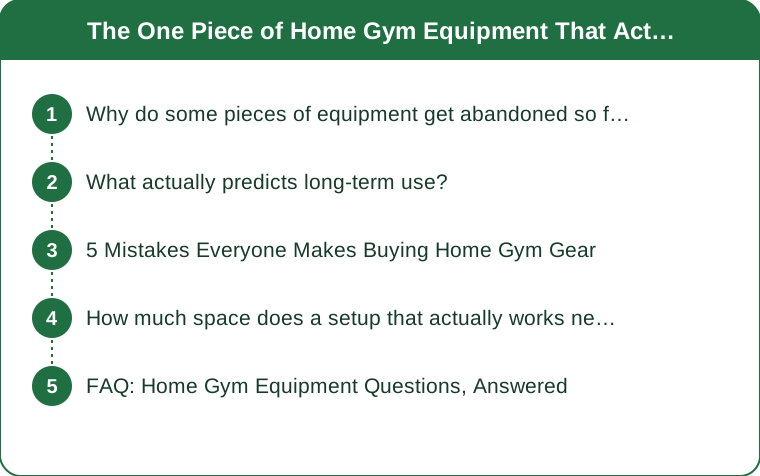
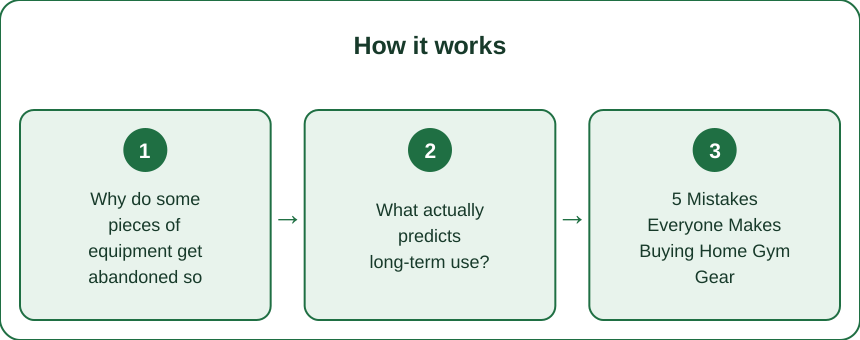
Why do some pieces of equipment get abandoned so fast?
Setup friction. Anything requiring assembly, plate-loading, or a dedicated space you have to walk to loses out to anything you can grab in 10 seconds. A rowing machine that takes 2 minutes to unfold competes against a phone notification — and usually loses.
The equipment that survives long-term is almost always the equipment with zero setup steps between deciding to work out and actually starting.
What actually predicts long-term use?
Three factors, in order of importance: (1) time to first rep under 15 seconds, (2) footprint small enough to live in the room you already spend time in, and (3) versatility — one item covering 3+ different workout types.
Adjustable dumbbells hit all three. A cable machine hits none of them, which is why so many end up as expensive drying racks despite being objectively excellent equipment.

5 Mistakes Everyone Makes Buying Home Gym Gear
1. Buying for the workout you want to want. The rowing machine bought for cardio you don’t currently enjoy sits unused — buy for workouts you already do.
2. Skipping the storage math. Equipment stored in another room adds the exact friction that kills consistency — if it’s not visible, it’s not used.
3. Going big before going small. A full rack before testing whether you’ll actually train at home 3x/week is expensive guessing.
4. Ignoring noise. Equipment that shakes the floor gets used less in shared housing — quieter options get used more, full stop.
5. No 2-week test. Renting or borrowing before buying catches ‘sounds good, never touch it’ items before they cost real money.
How much space does a setup that actually works need?
Less than most people assume. A genuinely functional home gym fits in 6x6 feet: adjustable dumbbells, a mat, and one resistance band set covers strength, mobility, and light cardio.
Expanding past that point has diminishing returns — the data across home setups consistently shows usage per square foot drops once a room feels like ‘the gym’ instead of just a corner of a room you already use.
FAQ: Home Gym Equipment Questions, Answered
What’s the single best first purchase for a home gym?
Adjustable dumbbells, almost universally. They replace a full dumbbell rack, cover 80%+ of strength moves, and store in under 2 square feet.
Is a treadmill worth it for a home gym?
Only if you already walk or run outside regularly — treadmills bought as motivation rather than habit-replacement have the lowest long-term use rate of any common equipment.
How do I know if I’ll actually use home gym equipment?
Test with the cheapest version or a rental for 2 weeks first. If a $15 resistance band gets used daily, the $300 version of that category is a safe bet — if it doesn’t, no equipment upgrade fixes that.
TL;DR:
- Setup friction, not motivation, predicts what equipment actually gets used
- Adjustable dumbbells win on time-to-first-rep, footprint, and versatility
- A functional setup fits in 6x6 feet — bigger isn’t automatically better
- Test cheap before buying expensive; usage patterns rarely change with price
Before buying anything new, ask what you’ll touch in under 15 seconds — that answer predicts use better than any feature list.
See It in Motion
Seen here: Racerback Tank Top - White — shop it on bubblelime.com
Keep Reading
This article is for general informational and styling purposes only. Fit, sizing, and product availability may vary.