The Complete Guide to Building a Home Gym You'll Actually Use (Not Just Look At)
Quick Answer: A home gym that actually gets used is built around your real, current habits — not an idealized future routine — with the 1-2 pieces of equipment you’ll use most placed for zero-friction access, everything else added only after those first pieces prove themselves in weekly use for a month.
The internet is full of home gym photos: color-coordinated racks, a full squat cage, a wall of dumbbells. Most of them get used hard for the first two weeks and then quietly become the most expensive clothing rack in the house. This guide covers why that happens and how to actually build one that doesn’t.
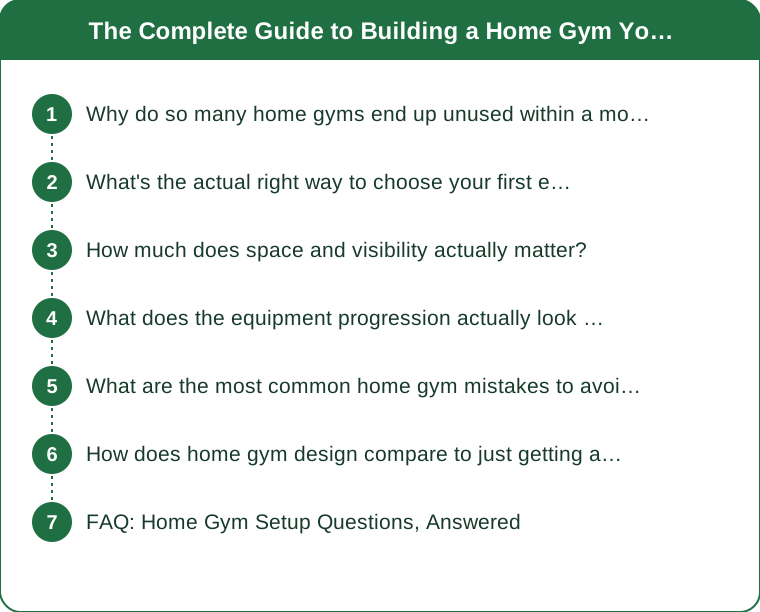
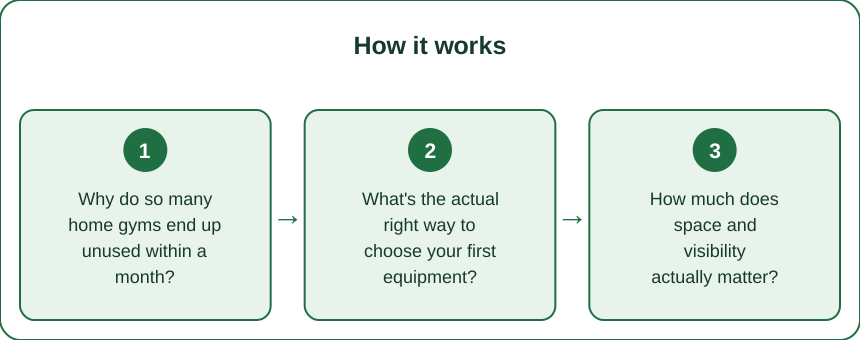
Why do so many home gyms end up unused within a month?
The most common failure pattern is buying for an aspirational routine instead of an existing one. People buy a squat rack and barbell setup because they want to become a serious lifter, not because they currently lift — the gap between current habit and equipment investment is exactly where motivation dies once initial enthusiasm fades.
A second major factor is friction: equipment stored in a closet, requiring setup and teardown each session, gets used dramatically less than equipment that’s simply already out and visible. Every extra step between deciding to work out and actually starting reduces the odds you follow through, especially on low-motivation days which make up most days.
What’s the actual right way to choose your first equipment?
Start with the one or two things you’d use even on a bad day — often a set of adjustable dumbbells, a mat, and maybe resistance bands. Resist the urge to buy for variety before you’ve proven consistent use of the basics.
A useful test: track your actual workouts for one month using bodyweight or minimal equipment first, then buy specifically to support the patterns that emerged. If you did 12 dumbbell-adjacent workouts and zero cardio machine sessions that month, that data tells you exactly where to invest next, rather than guessing.
How much does space and visibility actually matter?
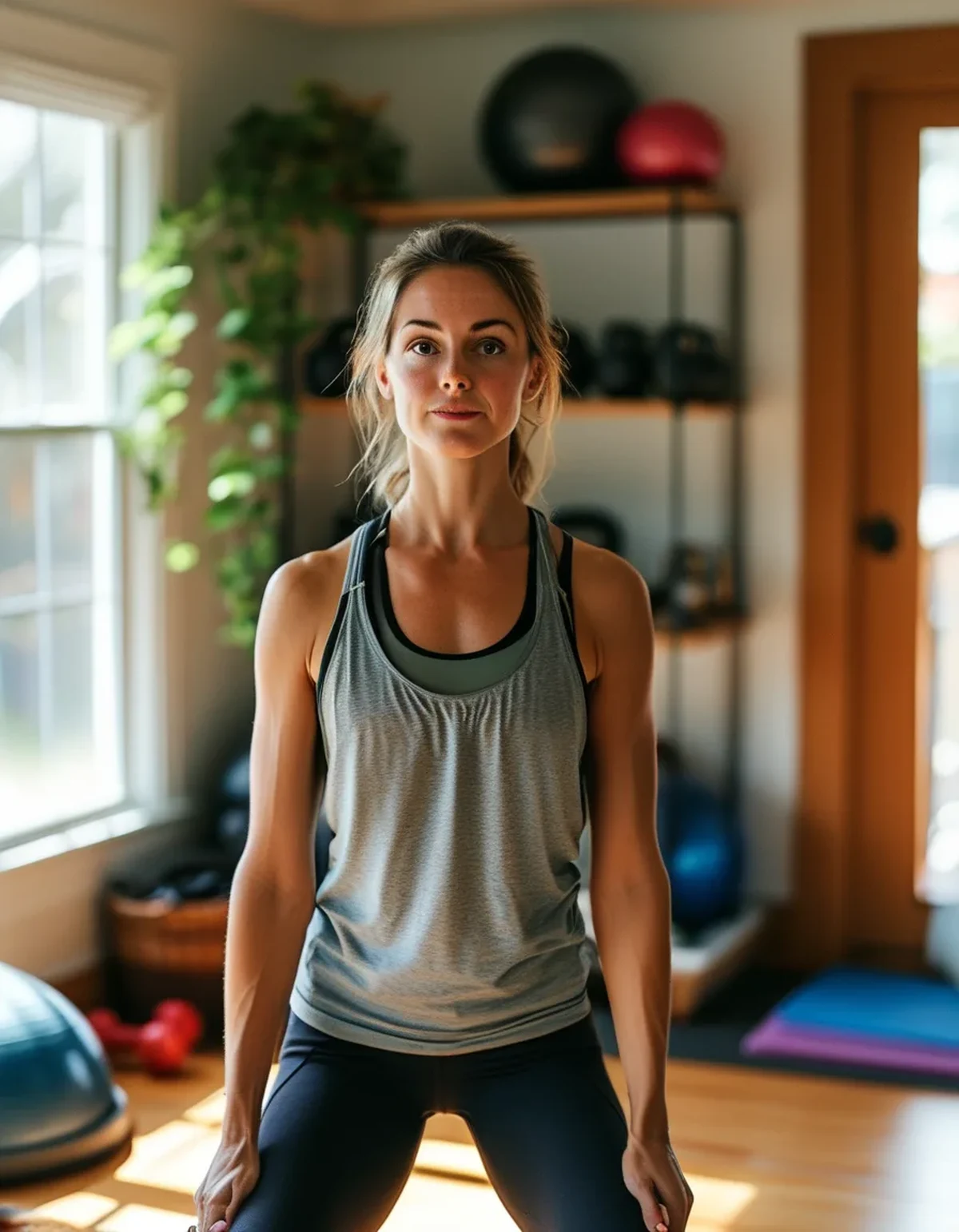
More than most people expect. Equipment kept in a dedicated, visible corner — even a small one — gets used significantly more than equipment tucked into a closet or garage that requires a deliberate trip to access. The psychological barrier of ‘going to get’ your equipment is often the actual reason for skipped sessions, more than lack of time or energy.
For apartment dwellers specifically, a quiet, small-footprint setup (resistance bands, a mat, adjustable dumbbells with a rubberized coating) solves both the space and noise problem simultaneously, letting you train at unusual hours without disturbing neighbors below.
What does the equipment progression actually look like over time?
Month 1: bodyweight plus one flexible tool (adjustable dumbbells or a resistance band set) — enough variety to avoid boredom without overcommitting financially or spatially. Months 2-3: add based on tracked usage patterns — if you’re consistently doing lower body work, a stability ball or extra band resistance; if upper body, a pull-up bar. Months 4-6 and beyond: larger equipment (a bench, a rack, a cardio machine) only once the smaller setup has demonstrated at least 3x/week consistent use for two consecutive months — this filters out equipment bought on motivation spikes that fade.
This progression feels slower than buying everything at once, but it’s specifically designed to avoid the ‘ceiling’ problem where a home gym plateaus because the equipment doesn’t match the person’s actual current level or habits.
What are the most common home gym mistakes to avoid entirely?
- Buying a full rack and barbell setup before proving consistent bodyweight or dumbbell training first — this is the single most common source of unused expensive equipment
- Choosing a spare room or garage over a visible, high-traffic area — out of sight genuinely becomes out of mind, regardless of good intentions
- Ignoring noise and flooring for apartment or shared-wall situations — a few noise complaints from neighbors can end a home gym habit faster than any motivation issue
- Skipping a mirror or simple form-check setup — without visual feedback, form issues go uncorrected longer, increasing both injury risk and the sense that home workouts are ‘less real’ than a gym
How does home gym design compare to just getting a gym membership?
Home gyms win on convenience and eliminated travel time, which matters enormously for people whose main barrier is time, not equipment access. Gym memberships win on equipment variety, social accountability, and reduced at-home distraction — someone easily distracted by household chores or family demands often does better with a dedicated away-from-home space.
Many people ultimately land on a hybrid: a minimal, high-use home setup for daily consistency (a short bodyweight or band session), paired with occasional gym or class visits for variety and heavier equipment access — rather than treating it as an either-or decision.
FAQ: Home Gym Setup Questions, Answered
What’s genuinely the single best first purchase for a home gym?
Adjustable dumbbells are the most commonly recommended first purchase because they scale with strength gains and support the widest range of exercises per dollar and square foot spent.
How much space does a functional home gym actually need?
A corner of roughly 6x6 feet is enough for dumbbells, a mat, and bodyweight training — larger equipment like racks needs considerably more, which is exactly why starting minimal avoids an expensive space mismatch.
Is it worth getting a home gym mirror right away?
A simple, inexpensive full-length mirror is worth prioritizing early — form feedback matters disproportionately for injury prevention and is one of the biggest things a home setup lacks compared to a staffed gym.
TL;DR:
- Home gyms fail most often when equipment is bought for an aspirational routine instead of proven current habits
- Track a month of bodyweight/minimal-equipment workouts before buying anything bigger, and let that data guide purchases
- Visibility and low friction (equipment out, not stored away) matters more for consistency than variety does
- Add bigger equipment only after 2 consecutive months of 3x/week consistent use with the smaller setup
See It in Motion
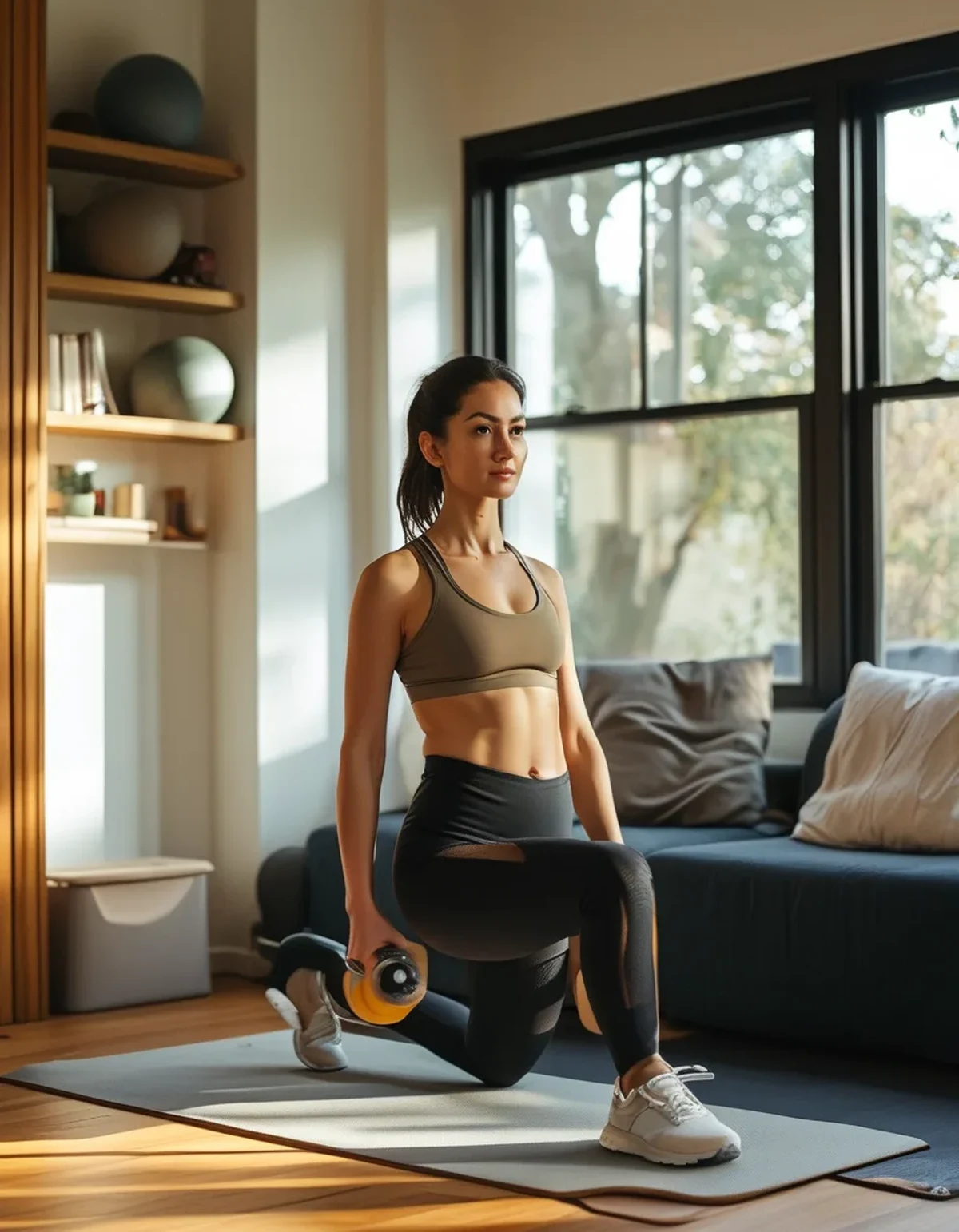
Seen here: Super High Waist Embossed Yoga Leggings with Inner Pocket — shop it on bubblelime.com
Keep Reading
This article is for general informational and styling purposes only. Fit, sizing, and product availability may vary.