How to Choose the Right Flooring for Your Home Gym
When people build a home gym, they think about the weights and the machines — almost never the floor. Yet the right flooring protects your joints, your equipment, and your home all at once. It’s the unglamorous decision that quietly makes everything else work better.
Why Flooring Matters More Than You Think
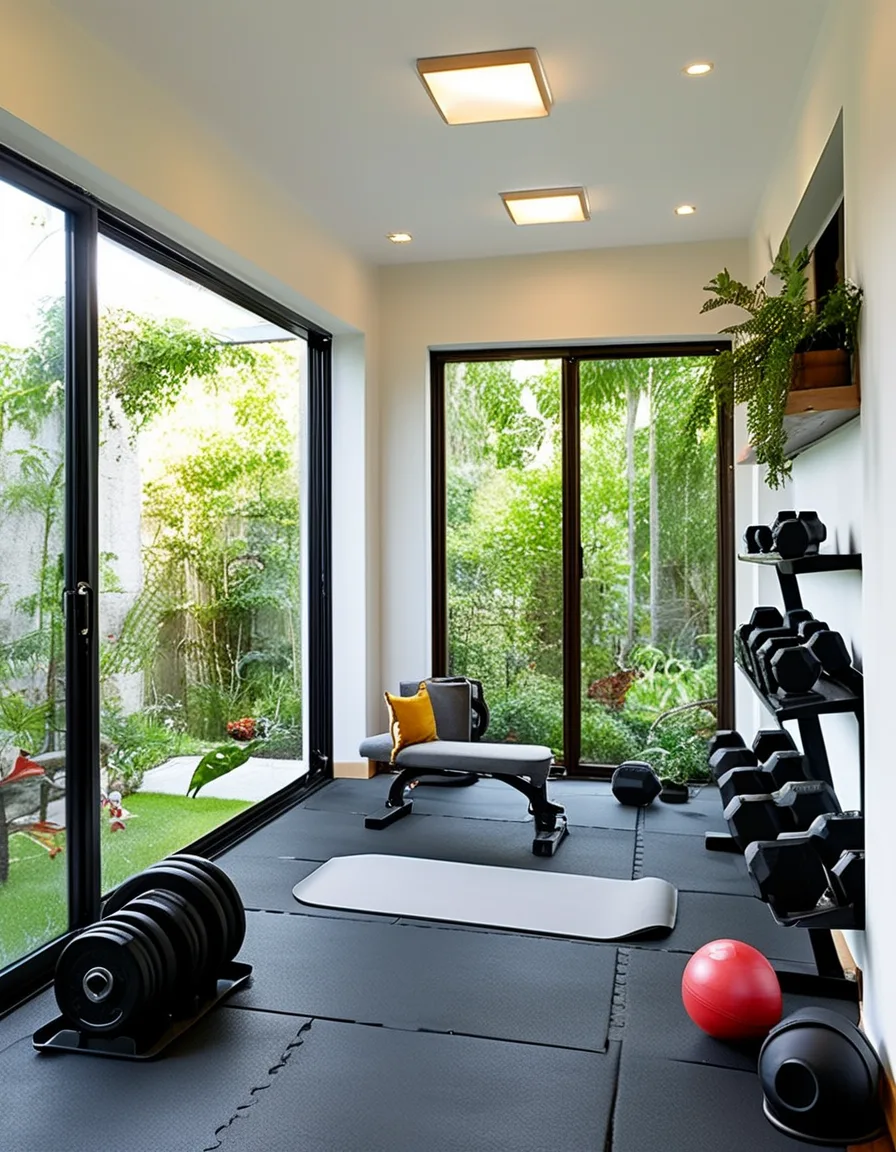
Good gym flooring cushions your joints, absorbs the shock of dropped weights, protects the floor beneath, and dampens noise. Skip it and you risk damage and discomfort on every front. It’s foundational, literally.
Rubber: The Gold Standard
Rubber tiles or rolls are durable, shock-absorbing, and ideal for weightlifting and heavy equipment. They handle drops and daily use without complaint. For most home gyms, rubber is the safe default.

Foam: Budget and Comfort
Interlocking foam tiles are affordable and comfortable for yoga, stretching, and bodyweight work. They’re not built for heavy weights, but they’re perfect for lighter movement. A great pick for gentler routines.
Match the Floor to Your Training
A lifting space needs dense rubber, while a yoga corner is happiest with foam or a quality mat. Let your workouts dictate the material. The right match makes every session better.
Measure and Plan the Space
Measure your area carefully and account for equipment footprints before buying, so you cover what you need without waste. A little planning prevents costly mistakes. Get this right and the setup falls into place.
The floor is the foundation of a home gym in every sense. Choose rubber for lifting, foam for gentler work, match the material to how you train, and measure before you buy — the right flooring protects your body, your gear, and your home for years.
See It in Motion
Seen here: High Waist 8” Yoga Shorts — shop it on bubblelime.com
Keep Reading
This article is for general informational and styling purposes only. Fit, sizing, and product availability may vary.