The Complete Guide to Buying Home Gym Equipment That Actually Lasts
Quick Answer: Weld quality on racks, bearing quality on cable machines, and foam density on benches and mats are the specific factors that separate equipment lasting 10+ years from equipment failing within one — price is a rough proxy for these, but not a guarantee on its own.
The home gym equipment market is full of items that look nearly identical in a product photo but differ enormously in how long they actually survive real use. This guide breaks down what to actually check before buying, category by category, so the second purchase isn’t just replacing the first.
Why does home gym equipment fail so much faster than commercial gym equipment?
Commercial equipment is engineered for near-continuous use across many different users and body types, with safety margins built in accordingly. Budget home equipment is often engineered to a lower use-case assumption — occasional, single-user use — and cutting weld thickness, bearing quality, or foam density is where manufacturers reduce cost fastest, since these aren’t visible in a product photo or a quick showroom test.
What should you actually check on a squat rack or power rack?
Weld quality and gauge (thickness) of steel matter more than the brand name. Thicker steel (lower gauge number, counterintuitively) resists bending under heavy, repeated loading. Look for continuous, clean welds rather than visible gaps or rough spots — a rack that flexes noticeably under load is a red flag regardless of its listed weight rating, since ratings can be optimistic or tested under ideal, non-repeated conditions.
What determines whether a bench actually holds up over years of use?
Foam density, not just thickness, determines whether a bench cushion holds its shape or compresses permanently within months. Higher-density foam costs more upfront but resists the permanent “seat memory” compression that makes cheap benches uncomfortable and unstable within a year of regular use. The frame’s steel gauge and weld quality matter here too, in the same way as the rack — a bench that wobbles slightly under load new will only get worse with time and use.

What about cable machines and pulley systems specifically?
Bearing quality in the pulleys is the single biggest differentiator — cheap bearings bind, squeak, and eventually fail under the sustained back-and-forth loading a cable machine sees, while quality sealed bearings run smoothly for years. Cable material matters too: a nylon-coated steel cable resists fraying far longer than uncoated cable, and a visibly fraying cable is a safety issue, not just a cosmetic one, that should prompt immediate replacement rather than continued use.
How should equipment budget actually be allocated for longevity?
Spend proportionally more on items under the most repeated mechanical stress — racks, benches with adjustable mechanisms, and cable systems — and proportionally less on largely static items like plates or a simple barbell, which have fewer moving parts to fail. A common mistake is spreading budget evenly across every piece rather than weighting it toward the components that actually experience the most wear over time.
A 12-month phased approach to building a durable home gym on a budget
Months 1-2: Invest most heavily in the rack and bench — the two pieces under the most sustained mechanical stress and the most expensive to replace if they fail early. Months 3-6: Add a quality barbell and plates, which have fewer failure points and can often be bought used without longevity concerns. Months 6-9: Add cable or pulley-based accessories once budget allows for quality bearings, rather than settling for a cheap version early. Months 9-12: Fill in accessories (mats, smaller equipment) last, since these are lowest-risk for early failure and easiest to upgrade incrementally without wasting a prior purchase.
FAQ: Home Gym Equipment Longevity Questions, Answered
Is it worth buying used equipment for longevity?
Often yes for simple, low-mechanism items like plates or a barbell, since these have fewer failure points — used cable machines are riskier without inspecting bearing condition directly.
How do I check weld quality without professional expertise?
Look for continuous, even welds without visible gaps, rough spots, or asymmetry, and check for any flex or wobble when the equipment is loaded — visible flex under normal use is a clear warning sign.
Does a higher price always mean better longevity?
Usually correlates but isn’t guaranteed — price is a rough proxy for materials and manufacturing quality, so checking the specific factors above still matters even on a more expensive purchase.
TL;DR:
- Weld quality and steel gauge determine rack and bench longevity
- Foam density, not just thickness, determines whether a bench holds up
- Bearing quality is the key factor for cable machine longevity
- Weight budget toward high-mechanical-stress items first, accessories last
Buying for the specific factors that actually fail, not just the brand name, is what makes a home gym last a decade instead of a year.
See It in Motion
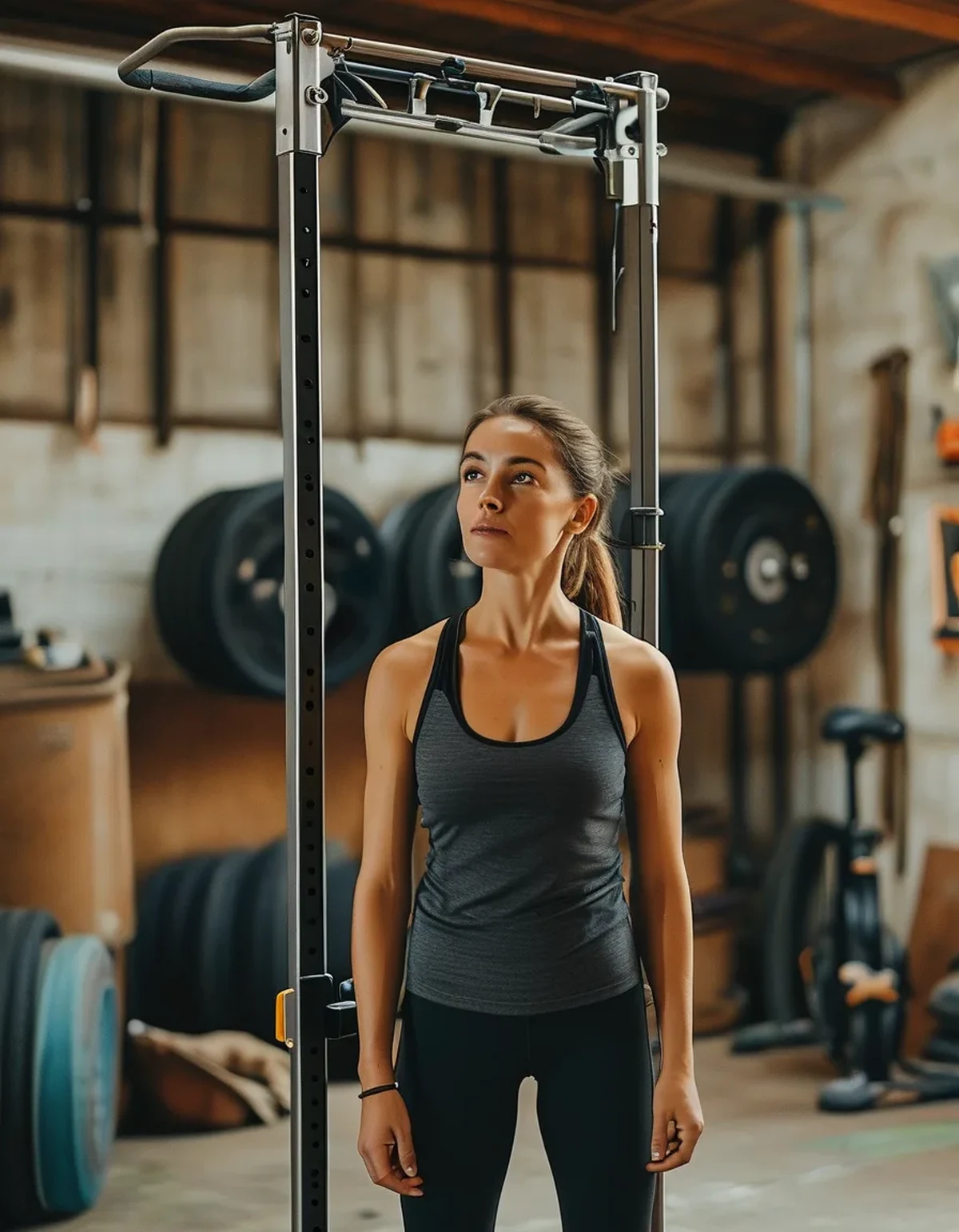
Seen here: Super High Waist Embossed Yoga Leggings with Inner Pocket — shop it on bubblelime.com
Keep Reading
This article is for general informational and styling purposes only. Fit, sizing, and product availability may vary.