The Complete Guide to Buying Used Home Gym Equipment Without Getting Burned
Quick Answer: The biggest savings and lowest risk come from buying used free weights, plates, and basic strength equipment (barbells, dumbbells, benches), which have almost no moving mechanical parts to fail, while used cardio machines and anything electronic (treadmills, cable machines with pulleys) carry meaningfully higher risk since wear on belts, motors, or cables is harder to assess without testing them running under load.

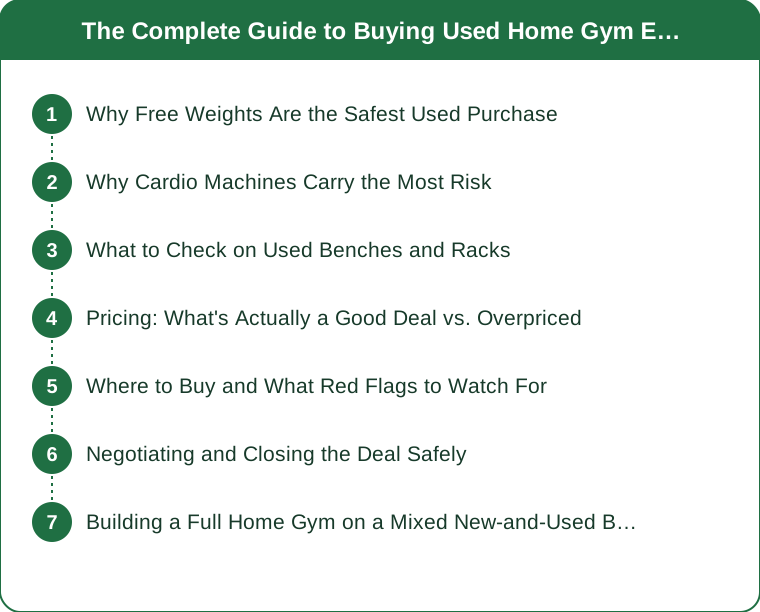
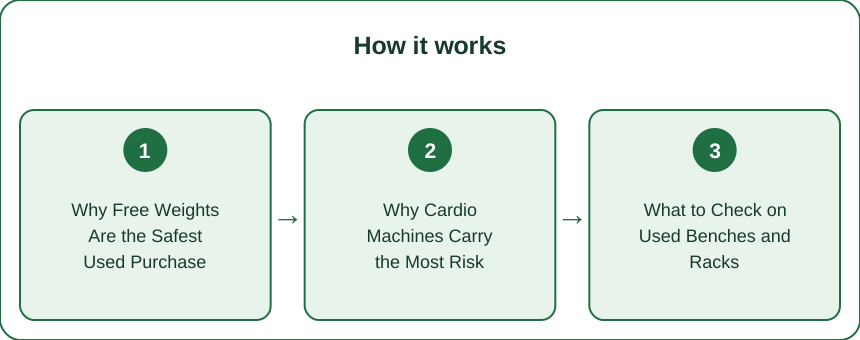
Why Free Weights Are the Safest Used Purchase
Barbells, dumbbells, and plates are essentially inert metal with no motor, belt, or electronic component to fail over time, which is why they hold value well and are widely considered the lowest-risk used purchase in the entire home gym category. The main things to actually check are rust (surface rust is usually fine and can be cleaned, pitting rust is a bigger concern), bent barbells (roll it on a flat surface to check for wobble), and correct weight labeling versus actual weight, which can drift slightly on older, worn plates.
Why Cardio Machines Carry the Most Risk
Treadmills, ellipticals, and stationary bikes have belts, motors, and electronic consoles that degrade with use and are expensive to repair or replace individually, often costing more than the used machine itself. Testing the machine running for several minutes under actual use (not just powering on) before buying is essential — listen for unusual motor noise, check belt tracking and tension, and confirm the console’s speed and incline functions all respond correctly.
What to Check on Used Benches and Racks
Adjustable benches should be tested through their full range of incline settings to confirm the adjustment pins and locking mechanism work smoothly without excessive play, since a worn adjustment mechanism can fail unexpectedly under load. Power racks and cages should be checked for weld integrity at joints and confirmed to sit flat and stable on the floor without wobble, since structural issues here are a genuine safety concern, not just a cosmetic one.

Pricing: What’s Actually a Good Deal vs. Overpriced
As a rough guide, used free weights in good condition typically sell for 50-70% of new retail price, while used cardio machines depreciate faster, often selling in the 30-50% range even for relatively recent models, reflecting their higher failure risk and repair cost. Checking recent sold listings (not just current asking prices) on local marketplace platforms gives a more accurate read on fair pricing than any single seller’s asking price.
Where to Buy and What Red Flags to Watch For
Local marketplace platforms, gym liquidation sales (when commercial gyms close or upgrade equipment), and community fitness groups tend to offer better vetting opportunities than shipping-only online resale, since you can inspect and test equipment in person before paying. Red flags worth walking away from include sellers unwilling to let a cardio machine run for more than a few seconds, heavily rusted metal with visible pitting rather than just surface discoloration, and prices that seem unusually low for the stated condition, which sometimes indicates an undisclosed mechanical issue.
Negotiating and Closing the Deal Safely
Bringing cash and being prepared to negotiate modestly (typically 10-15% off asking price is reasonable for private-party used equipment) works better than trying to negotiate aggressively, which can end a deal on genuinely fairly-priced items. For larger, heavier equipment like racks or benches, factoring in transport logistics and potential disassembly/reassembly effort into your overall cost comparison against buying new is worth doing before committing, since heavy equipment transport isn’t free even when the item itself is a bargain.
Building a Full Home Gym on a Mixed New-and-Used Budget
A common, cost-effective strategy is buying free weights and basic strength equipment used, while buying cardio machines, cables, and anything with significant electronics new or certified-refurbished with a warranty, matching purchase strategy to each equipment category’s actual risk profile rather than treating the whole gym build as one uniform buying decision. This hybrid approach typically captures most of the used-market savings while avoiding the categories where used risk is genuinely higher.
TL;DR:
- Free weights and basic strength equipment are the lowest-risk, highest-value used purchases
- Cardio machines and anything electronic need to be tested running before buying
- Used free weights typically sell for 50-70% of retail; cardio depreciates faster
- A hybrid strategy — used strength gear, new or refurbished cardio — often works best
Matching your buying strategy to each equipment category’s actual failure risk, rather than chasing the lowest price across the board, is what separates a genuine bargain from a costly mistake.
See It in Motion
Seen here: Crewneck Short Sleeve Workout T-Shirt — shop it on bubblelime.com
Keep Reading
This article is for general informational and styling purposes only. Fit, sizing, and product availability may vary.