Building a Home Gym From Absolutely Nothing: A Complete Room-by-Room Plan
Quick Answer: Start with flooring and one versatile equipment category (adjustable dumbbells or resistance bands) before anything else — most abandoned home gyms were built equipment-first instead of space-first, leaving an unusable, cluttered room.
The internet’s advice to ‘just buy a squat rack and go’ skips the planning that actually determines whether a home gym gets used in month six or becomes an expensive clothes rack.

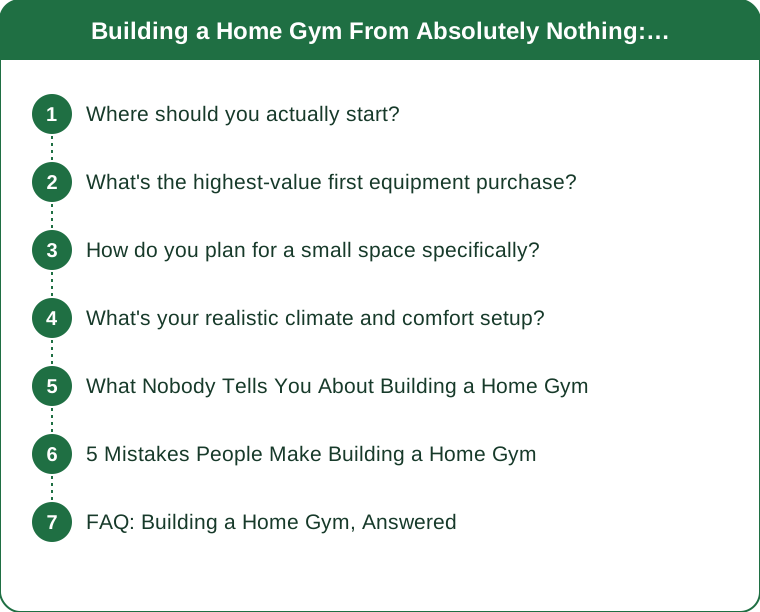
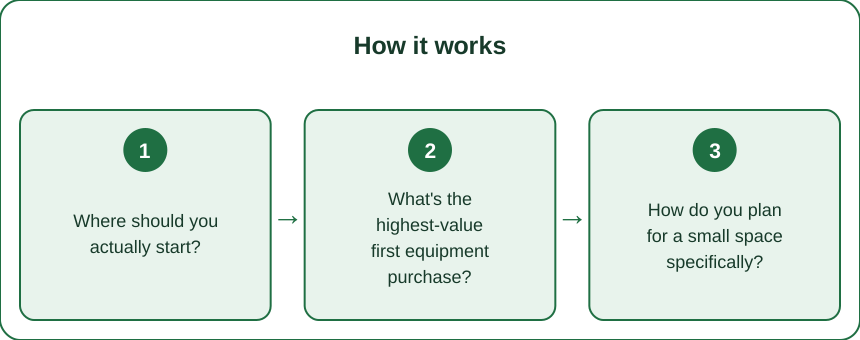
Where should you actually start?
Flooring first, always. Interlocking rubber mats protect both your joints and your floor, and having a defined ‘gym zone’ — even just a 6x8 foot area — psychologically separates workout time from the rest of your space, which matters more for consistency than people expect.
What’s the highest-value first equipment purchase?
Adjustable dumbbells beat almost any single-purpose machine for a first purchase — they cover strength training for your entire body in a fraction of the space of a fixed rack, and most adjustable sets scale from 5 to 50+ lbs per hand.
How do you plan for a small space specifically?
Prioritize equipment that stacks, folds, or mounts — a foldable bench, wall-mounted resistance bands, and stackable plates all reclaim floor space when you’re not training. A cluttered gym area is one of the top reasons people stop using their home setup within a few months.

What’s your realistic climate and comfort setup?
Airflow matters more than most people plan for — a home gym in a garage or basement without ventilation gets abandoned fast in extreme heat or cold. A simple fan or portable heater, plus a rubber mat that doesn’t feel freezing underfoot, meaningfully extends how often you’ll actually train there.
What Nobody Tells You About Building a Home Gym
The equipment you’ll use most in year one is rarely the equipment you were most excited to buy. Resistance bands and a simple bench get used weekly; specialty machines often get used twice. Buy the boring, versatile basics first and add specialty equipment only once you’ve identified a specific gap in your actual routine — not your Pinterest board.
5 Mistakes People Make Building a Home Gym
1. Buying a squat rack before establishing a routine — expensive equipment doesn’t create consistency, habits do.
2. Ignoring flooring — bare concrete or hardwood damages both joints and equipment over time.
3. No storage plan — clutter is the top reason home gyms stop getting used.
4. Skipping ventilation — garages and basements get uncomfortable fast without airflow.
5. Copying someone else’s setup exactly — their space, goals, and workout style aren’t yours.
FAQ: Building a Home Gym, Answered
How much should I budget to start?
A solid starter setup (mats, adjustable dumbbells, a bench) typically runs $200-500 — full gym replacement setups can wait until you know your actual training patterns.
Do I need a squat rack for a real home gym?
Only if barbell squatting and bench pressing are central to your training — many effective home gym routines never use one.
How much space do I actually need?
A 6x8 foot area is enough for dumbbell and bodyweight training; add 2-3 more feet if barbell work is part of your plan.
TL;DR:
- Start with flooring and one versatile equipment category, not a big equipment list
- Adjustable dumbbells give the most training value per square foot
- Plan for storage and ventilation from day one — both are common failure points
- Add specialty equipment only after your routine reveals a real gap
Build for the workouts you’ll actually do in month six, not the ones on your inspiration board today.
See It in Motion
Seen here: Super High Waist Embossed Yoga Leggings with Inner Pocket — shop it on bubblelime.com
Keep Reading
This article is for general informational and styling purposes only. Fit, sizing, and product availability may vary.